Houstonians know that driving is a necessity here. It is nearly impossible to live in the city without a car or reliable transportation. So what do you do when driving triggers anxiety, panic, or unbearable discomfort?
Anxiety, trauma, dissociation, and sensory sensitivities are some of the most common reasons I see women hesitate to drive in Houston. And for good reason: driving in Houston is intimidating. Between the freeways, the construction, and drivers who text behind the wheel, we cannot control many things from behind our steering wheels.
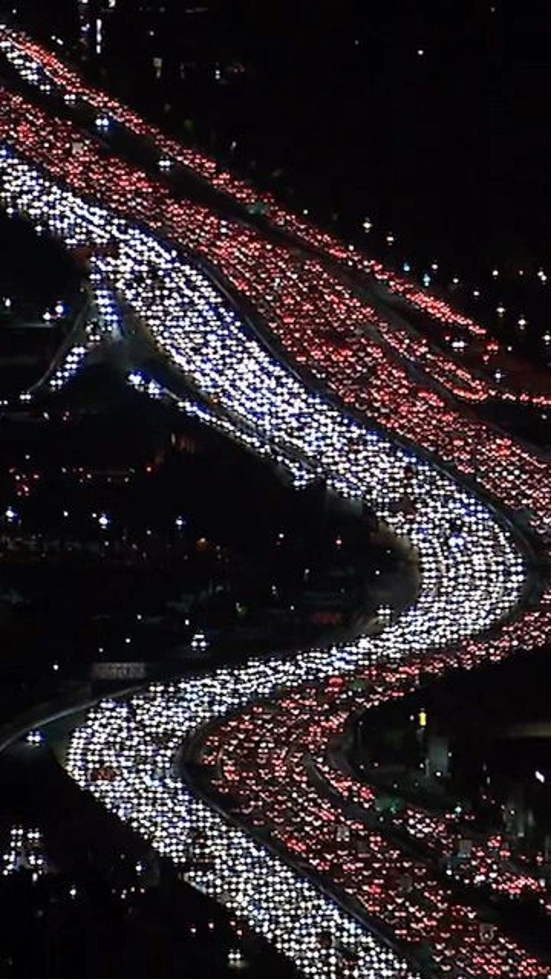
(Looks like 610 on any given evening)
What Is Driving Anxiety?
Driving anxiety is intense fear, worry, or physical distress related to driving or being in a car. It can lead people to avoid driving altogether because of distressing thoughts like:
"What if I get lost?"
"What if a cop pulls me over?"
"What if I need to parallel park, or can't find a place to park?" (a personal one of mine)
These thoughts often come with physical symptoms of driving anxiety:
Racing heartbeat
Sweaty palms
Shortness of breath
Dizziness
Understandably, these sensations make the anxiety cycle stronger. You may fear that you will become so dizzy or distracted that you will inevitably get into a wreck.
Anxiety wants control. It asks us to prove that something will turn out okay before we do it. Driving asks us to trust that everything will be okay and that we will arrive at our destination unharmed.
Can a Car Accident Cause PTSD?
Yes. Car accidents are among the most common causes of posttraumatic stress disorder (PTSD) in the United States, and Houston's heavy traffic means many of us have either been in a crash or know someone who has. Common symptoms of car accident PTSD include:
Intrusive thoughts and flashbacks: unwanted memories of the accident, nightmares, or reactions to triggers like screeching tires or honking
Avoidance: staying away from the road or area where it happened, refusing to talk about the accident, or avoiding driving altogether
Hypervigilance: physical tension (such as gripping the steering wheel), constantly scanning the road, or being easily startled
What Is Dissociation While Driving?
Dissociation while driving is a feeling of mental disconnection from the road, your body, or your surroundings. Some of it is normal. In fact, it is so common that the term "Highway hypnosis" was coined for zoning out on a familiar drive.
So when does it become a problem? Unsafe dissociation on the road may look like:
Delayed reactions: failing to notice lights changing, pedestrians crossing, or sudden speed limit changes
Derealization or depersonalization: feeling as though you are in a video game, or outside your body looking down on yourself
Sensory disconnection: tunnel vision, objects looking closer or farther than they are, or feeling disconnected from your limbs
If you start to dissociate while driving, pull over somewhere safe as soon as you can and ground yourself before continuing.
Can Sensory Sensitivities Make Driving Hard?
Yes. Women with autism and/or ADHD in Houston may avoid driving because of sensory difficulties involving sight, sound, touch, and movement, including:
Auditory: loud cars, honking, engines revving, road construction
Visual: bright headlights, billboards, and the sheer number of cars on the road
Tactile: the temperature in the car (especially in the Texas heat), the material of the seats, the feel of the steering wheel
Movement: feeling under- or over-stimulated by the motion of the car, or feeling disoriented
How Do You Get Over Driving Anxiety? Coping Skills That Help
There are several skills that can make driving more manageable:
Grounding: anchor in the present moment by connecting with your five senses, taking deep breaths, or pressing your feet into the floor (safely).
Comfort items: bring something soft to sit on, a favorite scent, or a fidget to use when stopped at a red light.
Regulating your attention: listen to familiar music or a favorite podcast.
Taking breaks: leave early so you can stop along the way. Leaving with ample time also keeps you from speeding or driving dangerously.
Driving with a supportive person: when possible, bring a friend, family member, or trusted colleague. Carpooling to work is a great way to practice and save on gas.
Eating nutritious food and drinking water: this helps regulate emotions and physical sensations and can prevent motion sickness.
Frequently Asked Questions
-
Yep! It is especially common among people with a history of anxiety, trauma, or sensory sensitivities.
-
It depends on the person. Gradual changes at a pace that feels manageable is key.
-
Safely pull over when you can. Once you feel steady (through different skills we can discuss in session), decide whether to continue or ask someone to help.
Ready to Feel Safer on the Road?
You don't have to avoid driving forever. If driving anxiety, trauma, dissociation, or sensory overload is limiting your life in Houston, I'd love to help. Schedule a free consultation to talk about what support could look like.
Emma Arceneaux, LPC (#91968), is a Licensed Professional Counselor in Texas supporting women with anxiety, ADHD, ASD, and OCD in Houston, Texas and virtually across Texas.
